

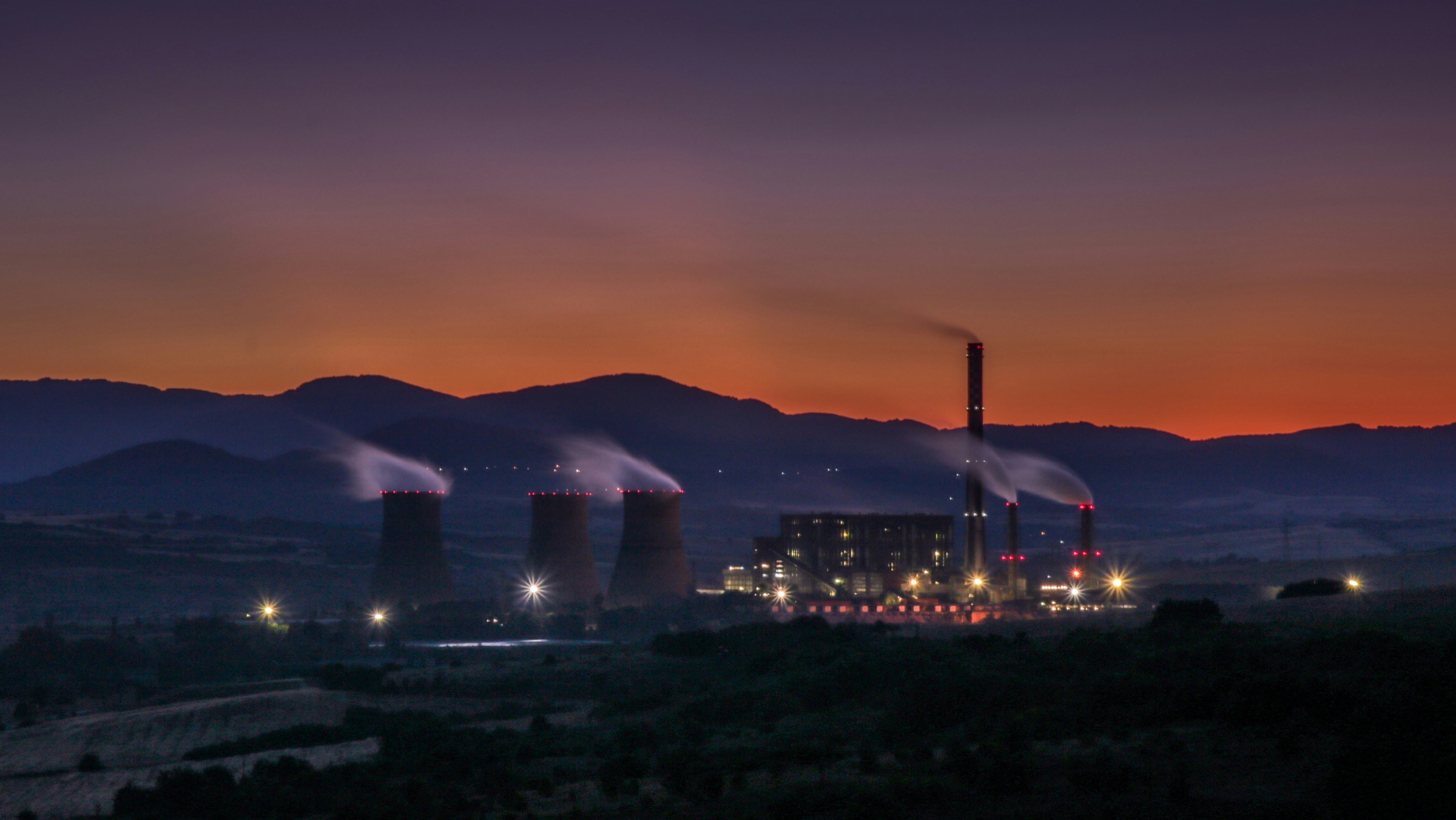
Our environment shapes our health.
When the places we live are depleted, polluted, or fragile, people pay the price in their bodies, their families, and their futures.
You can’t heal the fish without cleaning the tank.
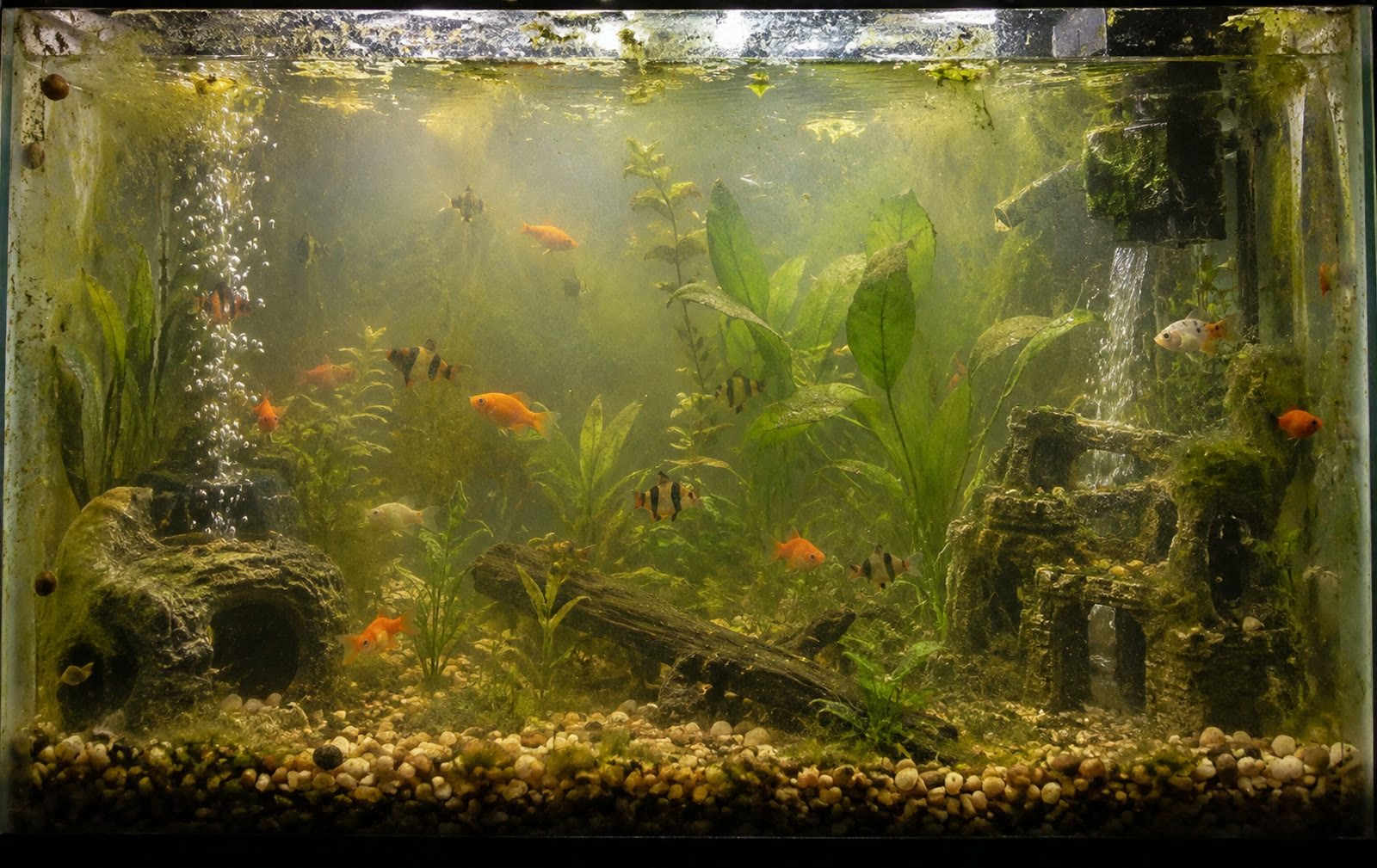
Imagine a fish in a neglected tank. The water is cloudy. Algae coats the glass. Oxygen runs low. Slowly, predictably, the fish gets sick.
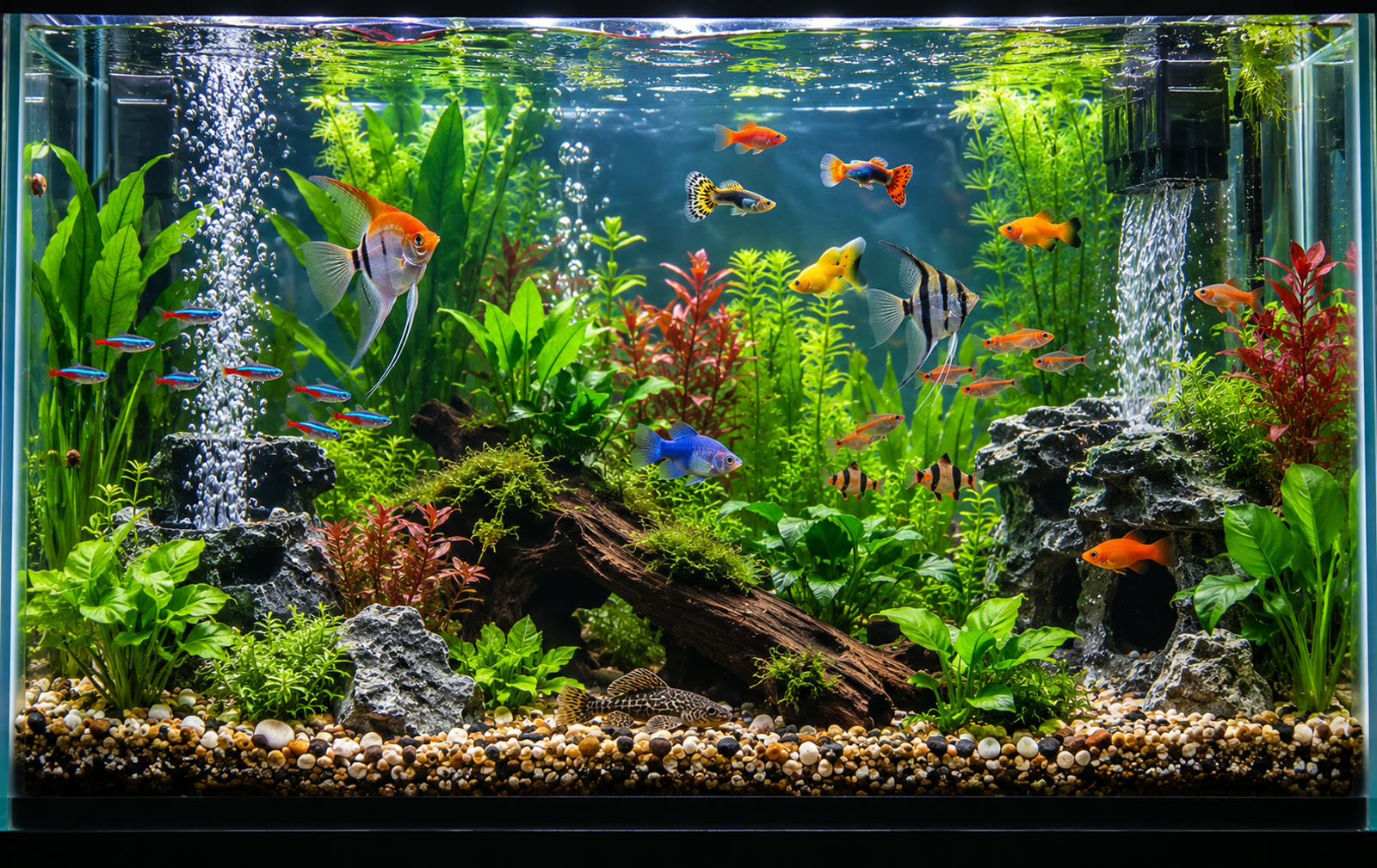
There are two ways to respond. We can treat the fish: lift it out, give it medicine, and return it to the same water. The symptoms may ease for a while, but the cause is still there, waiting. Or we can treat the tank: clear the water, restore the oxygen, and bring back the balance every living thing depends on.
Both responses matter. Caring for the individual is essential, and the people who provide that care do vital work. But lasting health can’t be built on a failing environment. For people, the tank is the air we breathe, the water we drink, the soil that feeds us, and the conditions we live in every day.
The numbers behind the story.
deaths worldwide are linked to environmental risks we can change, including polluted air, unsafe water, and chemical exposure.
people, one in four worldwide, still lack safely managed drinking water.
non-pandemic deaths worldwide come from chronic diseases such as heart disease, cancer, and diabetes: 43 million lives in 2021.
The world’s leading health institutions are reaching the same conclusion.
In 2015, the Rockefeller Foundation–Lancet Commission gave this idea a name: planetary health, the health of human civilization together with the natural systems it depends on. More recently, FAO, UNEP, WHO, and WOAH adopted a shared definition of One Health, an approach that treats the health of people, animals, and ecosystems as closely linked.
Heal the Earth, Heal Ourselves is our expression of that growing understanding, and our commitment to act on it where people live.
Planetary health named by the Rockefeller Foundation–Lancet Commission.
FAO, UNEP, WHO, and WOAH adopt a shared definition.
Heal the Earth, Heal Ourselves: our expression of that understanding.
Five essentials, under strain.
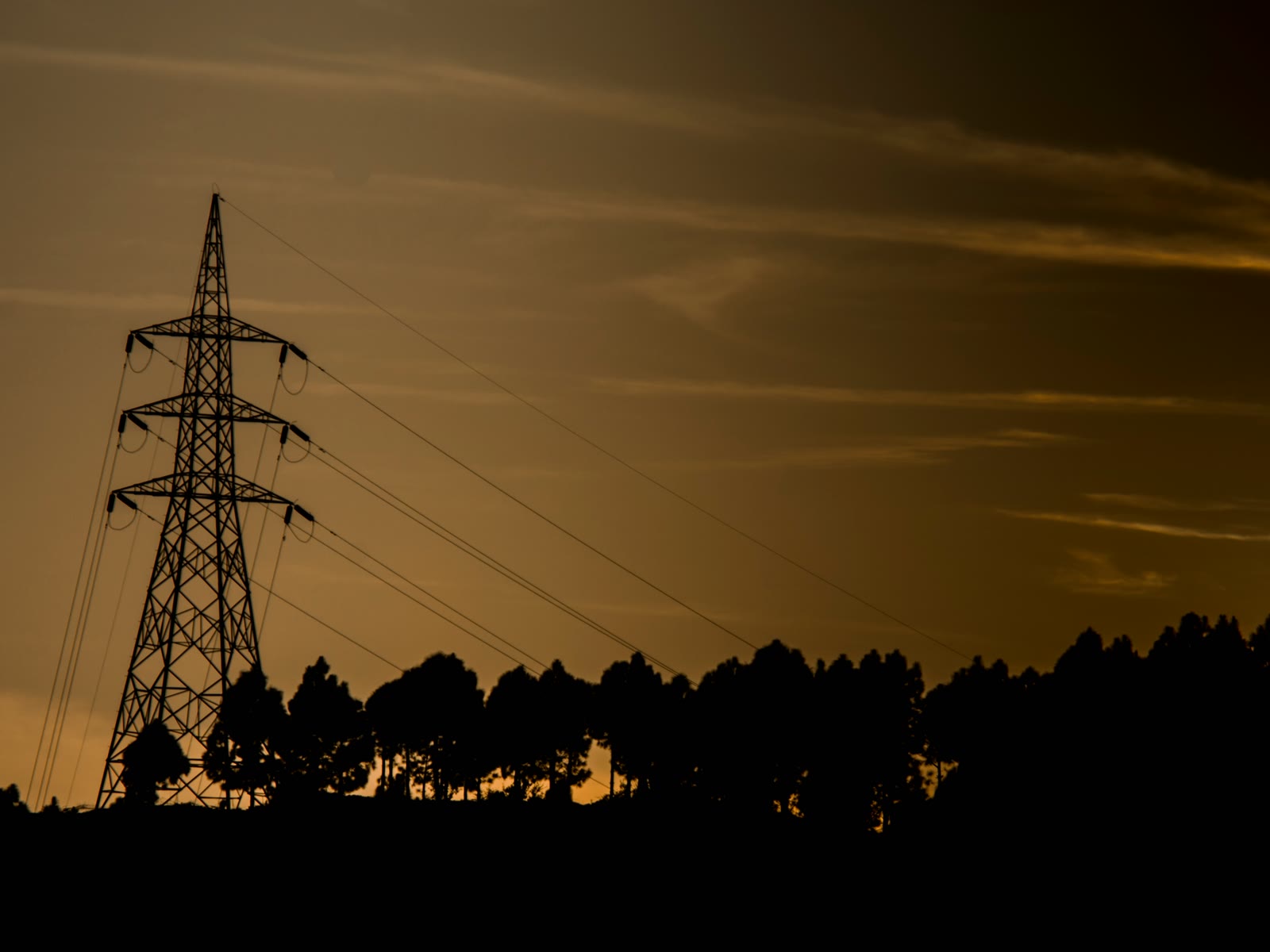
Fixing one essential at a time rarely lasts.
A water system fails when the power does. A clinic struggles when its patients can’t afford healthy food. A training program loses its graduates when there are no jobs to keep them. The essentials depend on one another, so lasting change has to connect them.