

Built with communities, for the long term.
Every place is different. Our process is built around that.
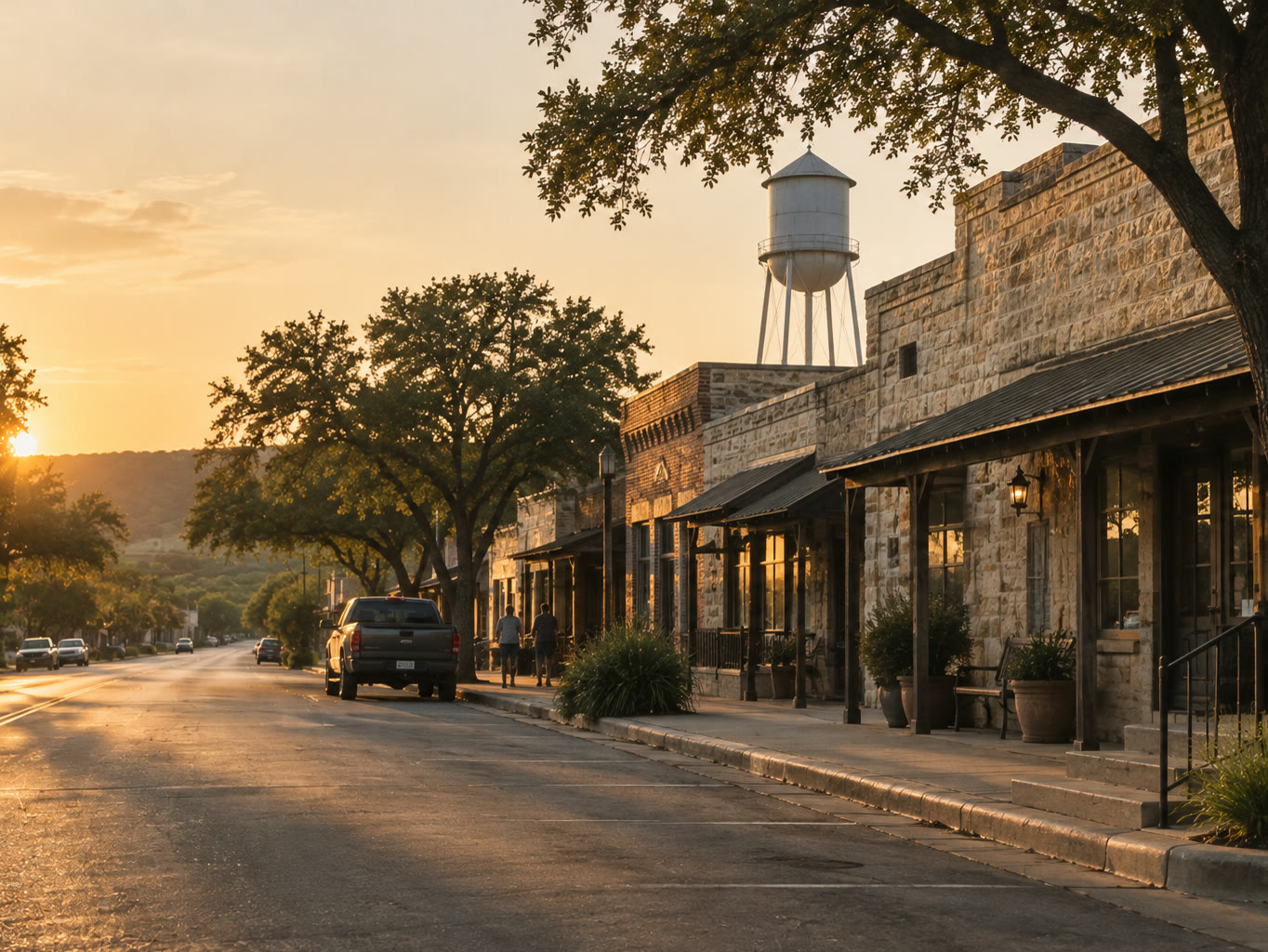
Five steps. One principle: listen first.
-
1
Listen
We begin with community members and local leaders to understand needs, resources, and priorities.
-
2
Design
Together, we shape a Sovereign Loop that fits the place: its land, climate, economy, and culture.
-
3
Partner
We bring public partners, humanitarian funders, and private partners into one agreement, with every role defined.
-
4
Build in phases
Power, water, and food come first. Other systems follow as each one is established.
-
5
Strengthen local capacity
Training and local hiring keep the benefits, and the know-how, in the community.
Every Loop is a public-private partnership.
No single organization can build a Loop alone, so each project brings three kinds of partners together, each doing what it does best.
How we plan to deploy capital.
The Foundation expects to support this work in more than one way. Depending on a project’s structure and its expected impact, we may provide grants, program-related loans, or investment alongside public and private partners. Each commitment will be chosen for what it can achieve, within the rules that apply to a nonprofit.
Grants
Direct support for charitable initiatives and public-benefit work.
Program-related loans
Capital lent where the main purpose is impact, not return.
Co-investment
Investment alongside public and private partners, where the law allows it.
Where our leadership has a connection to a partner organization, we intend to say so, and to keep the Foundation’s decisions independent.
Infrastructure is built mainly with private and public capital. Where the Foundation takes part, our commitments focus on public benefit.
Where the need is greatest.
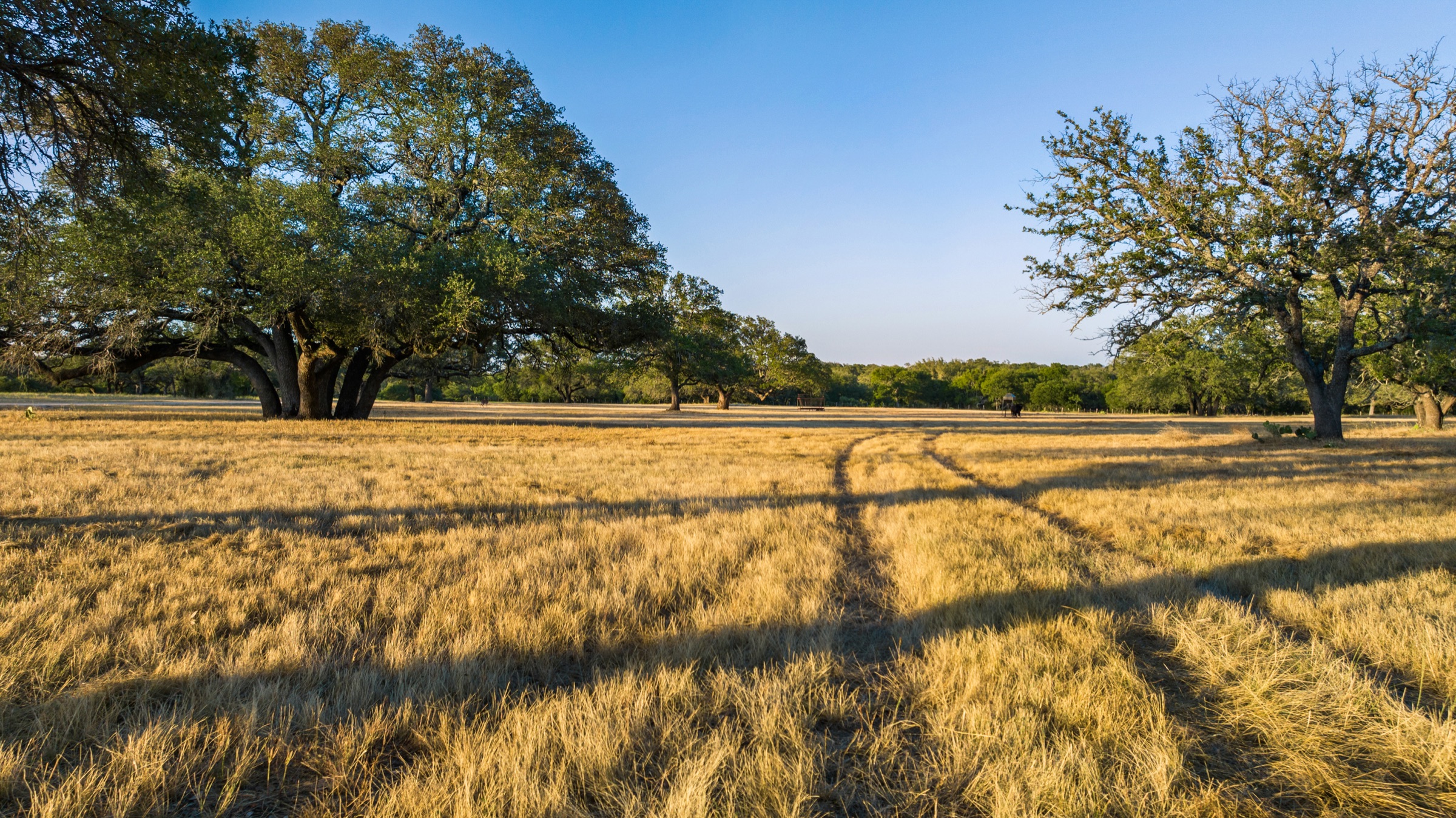
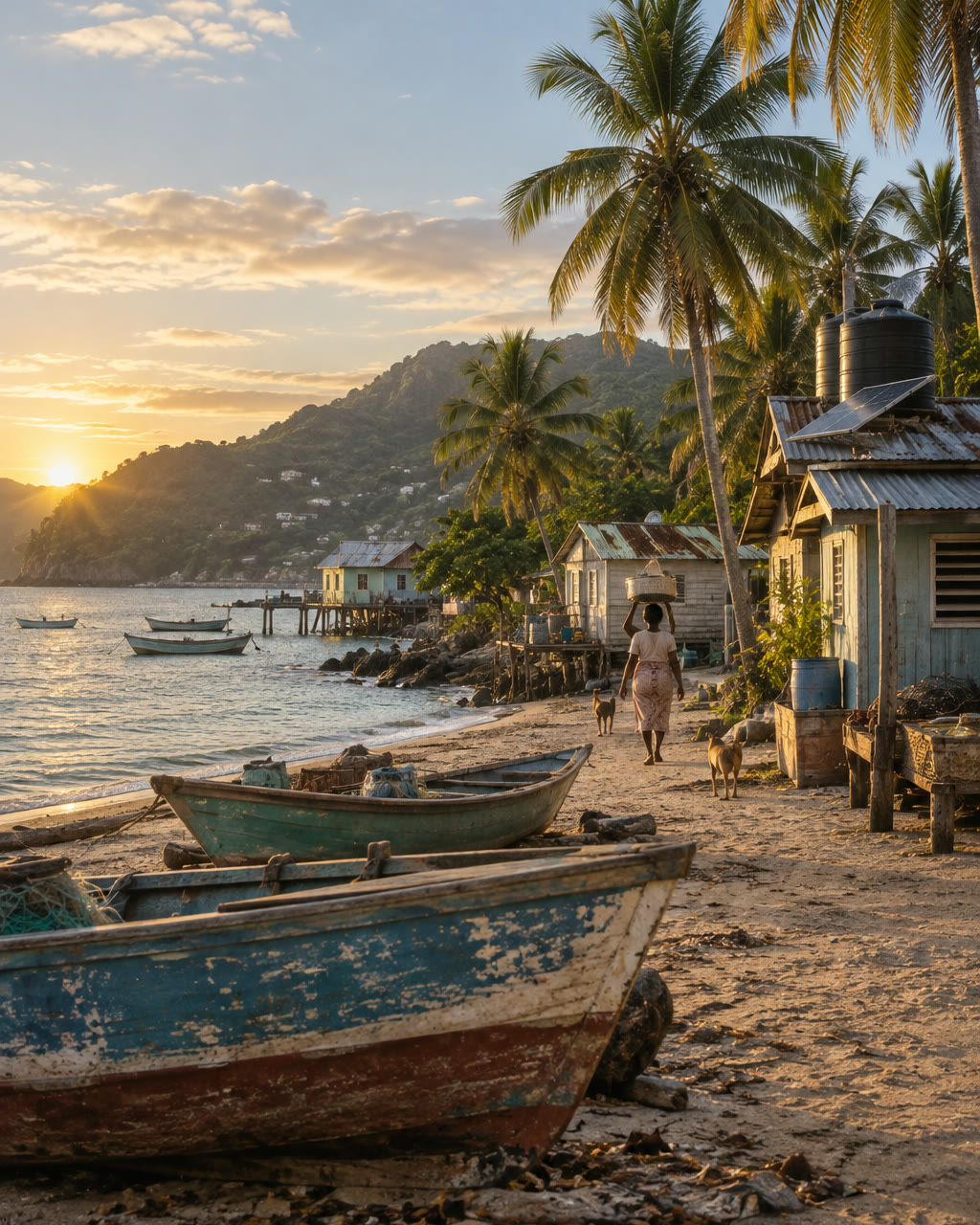
We focus on rural communities, island nations, and regions where clean water, reliable power, nourishing food, and quality care are hardest to reach. Our first partnership region is Burnet County, Texas, part of our Rural Revitalization Program. We add regions as partnerships are confirmed.
Opportunity Zones.
In the United States, we plan to work in designated Opportunity Zones where possible. The federal program encourages long-term investment in economically distressed communities. Private investment in these communities is a matter for PurEarth and other private partners, not the Foundation.
What we’ll measure, and how we’ll report it.
We will publish progress openly, including what we learn when things don’t go as planned.